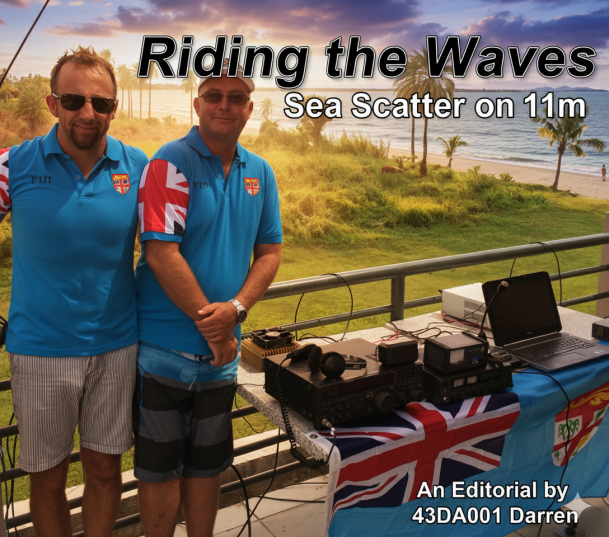
 After years of chasing DX from coastlines and islands, I’ve come to realise that, at 27 MHz, the ocean isn’t just a backdrop — it’s a working part of the station.
Each time I set up by the water, I’m reminded that the ocean does more than frame the view — It actively shapes the contacts I make.
In fact, no amp or antenna has ever made as much difference to my performance on a DXpedition as the sea itself, which serves as both reflector and scatterer of my signal.
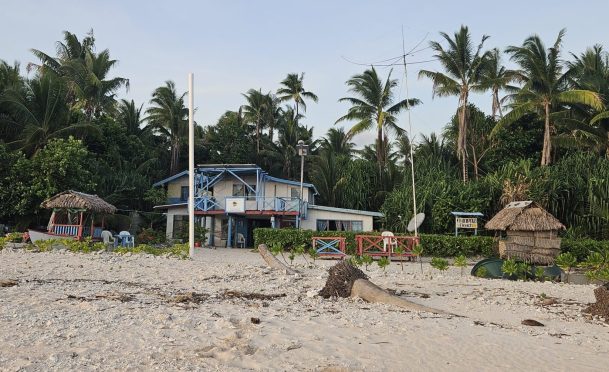
Standing at the tide line with my antenna planted in the sand, I’ve learned that the ocean is as vital a tool as the rig on my desk.
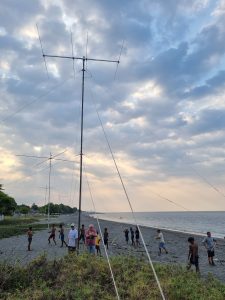 When I launch a low-angle signal over the water, it meets the sea and something truly remarkable unfolds…
On a calm day, the saltwater acts like a giant mirror, throwing my signal outward at just the right angle for long-haul DX.
But more often, the waves break that reflection into fragments, scattering my RF beyond the horizon, to Freeband IOTA Hunters in all corners of the globe.
It’s those scattered fragments that so often deliver the QSOs, especially when the ionosphere refuses to play ball.
 The signals that come back this way are never strong.
They’re watery, fluttery, right on the edge of audibility — the sort of signals you’d never hear inland.
A top pair of headphones and a good ear are essential!
As too is a low to non-existent noise floor; otherwise, they vanish in the static.
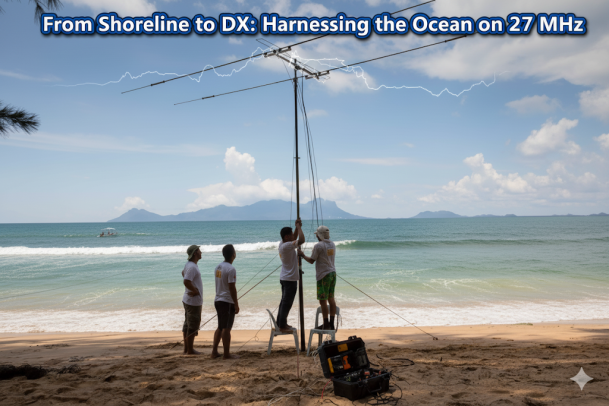
That’s why I’ve always sought ham-friendly accommodation right on the shoreline.
When the tide is practically lapping at the antenna, the sea has room to do its work, and the RF environment is quiet enough for me to hear it.
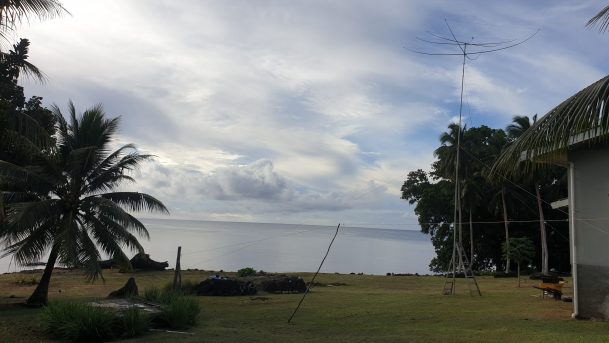
When I’m able to swing a Moxon or Skypper across an uninterrupted horizon of ocean — particularly the vast expanse of the Pacific — the performance lifts again, giving the cleanest possible low-angle takeoff for both scatter and long-haul DX.
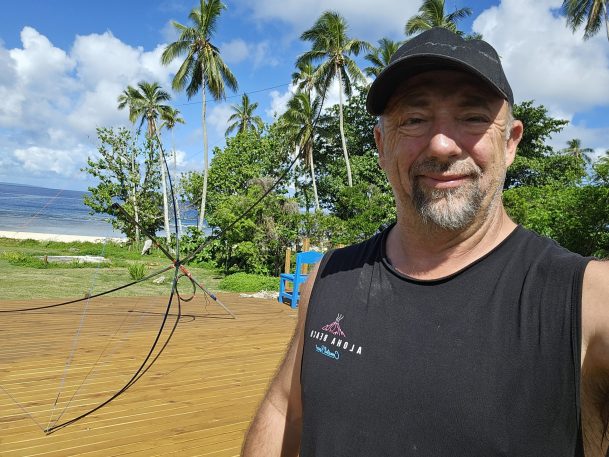
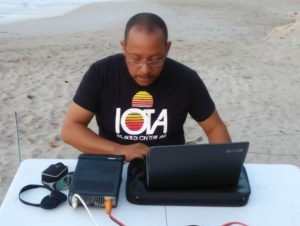
In the past 15 years of dx adventure, some of my most memorable activations have relied almost entirely on sea scatter phenomenon to fill the log…
In Vanuatu as 197DA/DX, it was the ocean that carried the majority of contacts when prop prediction tools like VOACAP told me it was impossible.
The same held true on Wallis & Futuna as 210DA/0, where those delicate, fluttering signals from EU stations via the Long Path kept the log moving.
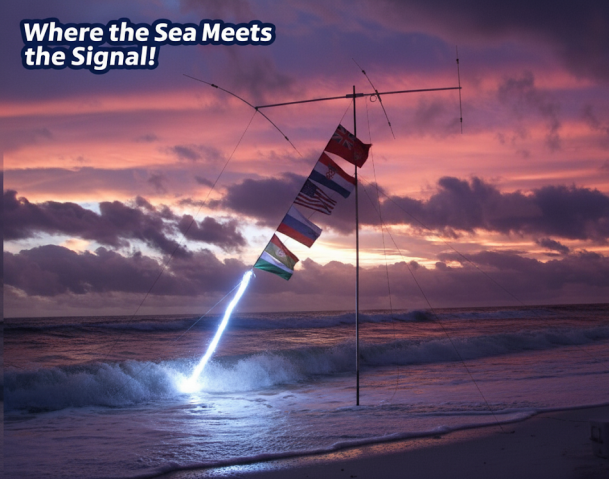
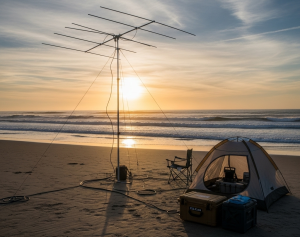 On Eu’a Island, Tonga (96DA/OC-049), the majority of QSOs were long-haul, yet many arrived with the fluttery, fragmented qualities typical of sea scatter — a reminder that even transoceanic contacts can be shaped by the ocean’s surface.
And on Mulitefala Island, Tuvalu (276DA/OC-015), the logbook again owed its life to the sea, scattering just enough energy to make workable paths out of impossible ones to major DX markets.
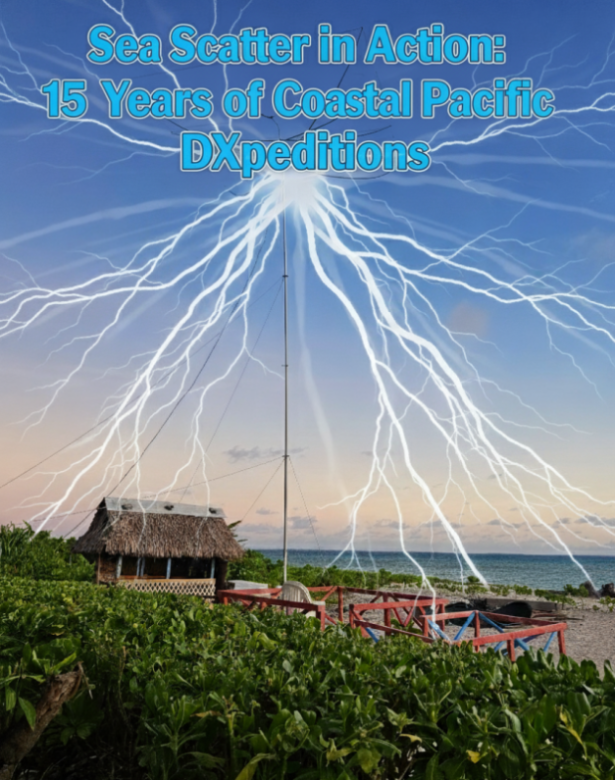
Across those years, I’ve also been fortunate to witness some freakish sea scatter openings — moments when weak, watery signals suddenly surged into readability, and whole stretches of the band came alive with voices riding the broken reflections of the ocean.
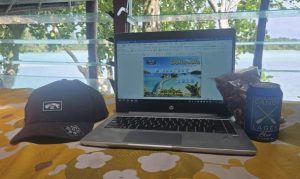 Those experiences reinforced what I’d already learned: without the ocean’s help, many of those stations would never have made it into the log.
Sea scatter transformed the improbable into achievable QSOs, with saltwater take-offs giving my antennas the low-angle advantage for long-distance paths.
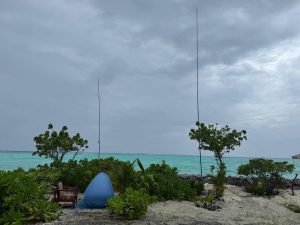
For ‘Most Wanted’ DXpedition logistics, that’s why I keep chasing these coastal locations — ham-friendly accommodations perched on the white sandy shores of Pacific islands, lodgings where the sea can truly work its magic.
From these vantage points, every wave, every ripple becomes part of the QSO, carrying my CQ calls across the water and delivering signals from 11 m band Island Hunters that might never have been possible.
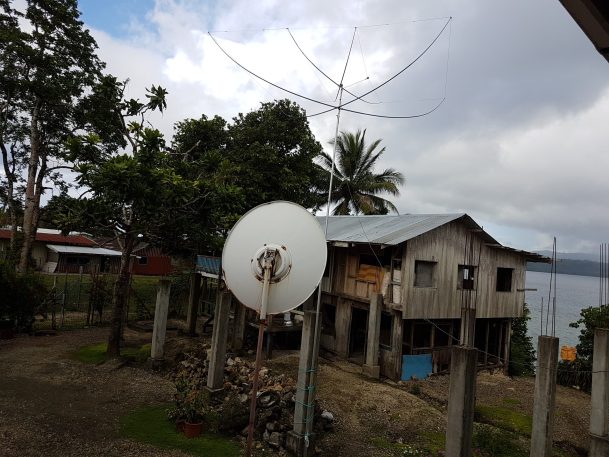
 📌 After years of coastal DXpeditions, I’ve come to realise that, at 27 MHz, the ocean isn’t just a backdrop…
Instead, it’s a partner in every QSO, shaping signals, scattering energy, and turning the impossible contact into the achievable!
73 de Darren, 43DA001


Leave a Reply