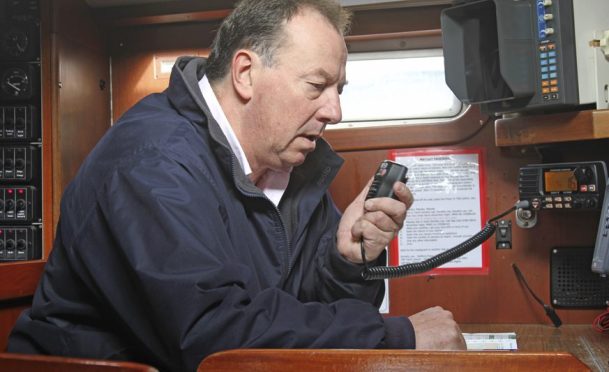
 In a world where digital comms is fast, frictionless, and everywhere, there’s something quietly powerful about the crackle of a DX signal – for most DA-RC Members – reaching out across the airwaves…
 Long before smartphones and social media, ops on Freeband and amateur frequencies built networks rooted not just in technology—but in trust, discipline, and community.
Thankfully, that spirit still thrives today. And among the many traditions that help keep it alive, one simple habit stands out:
The 333 DX Rule!!!
It’s not written into any law.
You won’t find it in as part of any 11m DX club rule book or in any ham license assessment.
But, in my opinion, this unofficial code—passed from OM to OM and down through the ages—is one of the most quietly effective tools for keeping the bands active, connected, and ready when it counts.
Why the 333 Rule Matters
 At its heart, the 333 Rule is about two things:
- Staying present, even when the bands go quiet.
- Being ready to help/assist/support a radio mate, even when no one’s asking.
In the fast-moving chaos of daily life, the 333 Rule is a gentle nudge to check in, tune in, and stay connected.
For me, it keeps the lifeblood of radio—actual people—circulating through the spectrum, even during off-peak hours.
How It Works
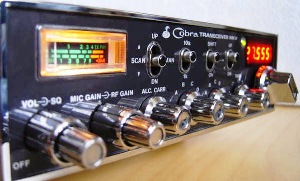 The name says it all: Every 3 hours, listen in and/or call for 3 minutes.
Operators are encouraged to turn on their radios at the top of every three-hour interval—local time—and monitor for activity.
The key times are:
- 12:00, 15:00, 18:00, 21:00, 00:00, 03:00, 06:00, 09:00
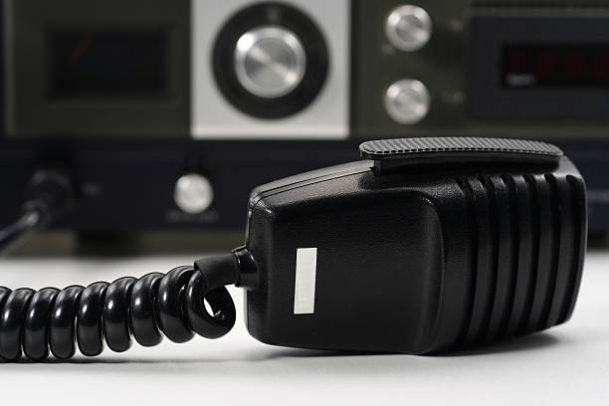
Just three minutes at each checkpoint can make the difference between silence and support, between missing a weak DX call and catching it at the perfect moment.
During these windows, operators listen for:
- General calls and check-ins
- Long-distance (DX) signals
- Emergency traffic or distress calls
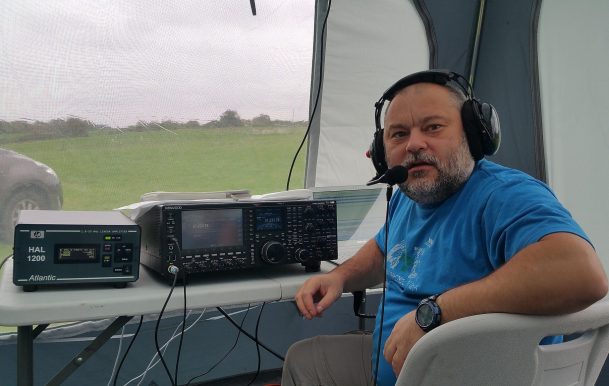
Where to Tune In
Depending on what band you operate on, here’s where you’ll likely hear the heartbeat of 333 activity:
11-Meter Band (CB Radio)
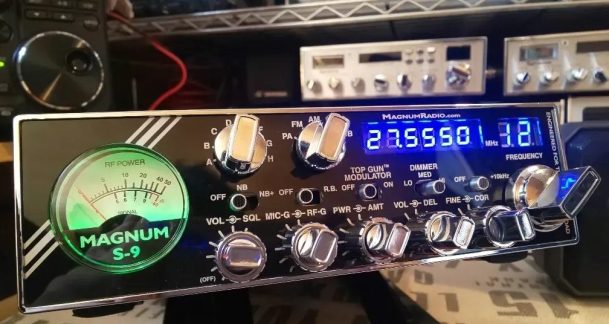
- 27.555 MHz USB – the go-to international DX calling frequency
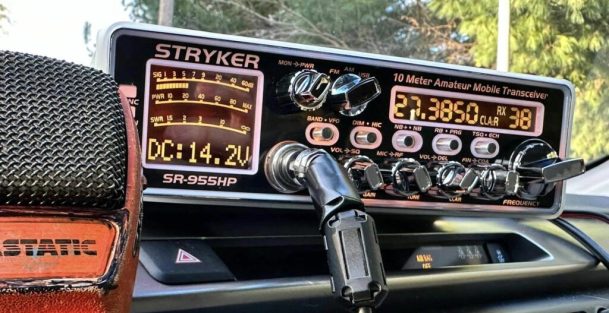
- 27.385 MHz LSB – North America’s popular general calling spot
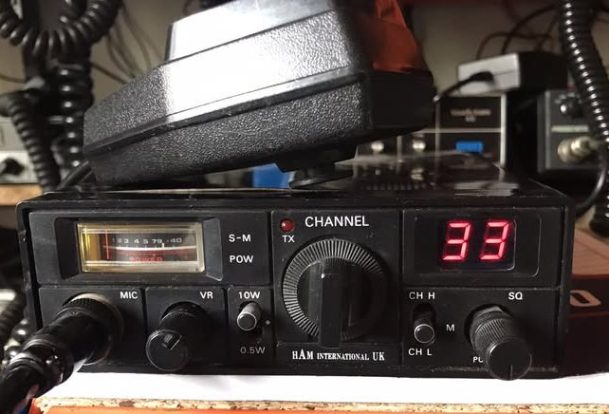
Amateur Radio Bands
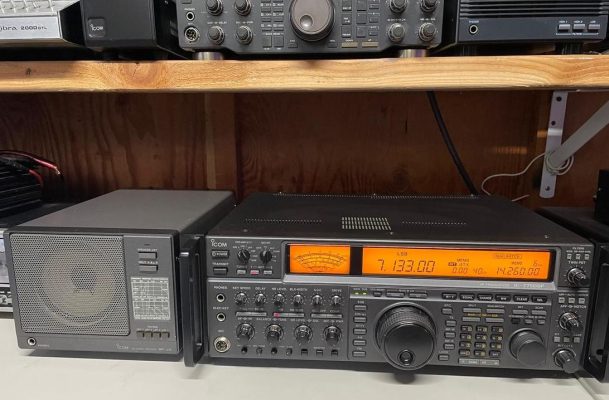
- Frequencies ending in .33 or .333 (e.g., 7.133.33 MHz, 14.233.33 MHz) – informal listening posts used during check-ins
 Emergency and National Calling Frequencies
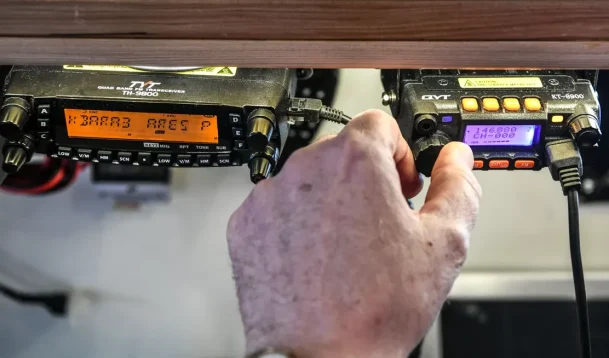
- 146.520 MHz FM – national simplex calling on 2 meters
- 446.000 MHz FM – national calling frequency on 70 centimeters
Many HF operators also monitor regional or club-specific frequencies during these times, particularly when propagation is favorable.
More Than Just a Rule—A Mindset
 For me, the 333 Rule isn’t about strict schedules or micromanagement. It’s a mindset—a quiet agreement among thousands of operators that they’ll keep an ear open, keep the bands alive, and be there when it matters.
Three minutes. Eight times a day. That’s all it takes to be part of something much bigger: a living, breathing, global network of communicators ready to respond, connect, and support.
It’s not just about being on the air. It’s about showing up. It’s about being there—when someone calls out, when someone needs help, or when the unexpected happens.
And in a world where more and more systems depend on centralized tech, practices like the 333 DX Rule are a reminder of the power of simple, decentralized, human-driven communication.
 So next time your clock strikes the hour, flip the switch, key up the mic—or just listen in.
You might hear nothing.
Or you might hear the start of something unforgettable.

Leave a Reply